
Page Optimization . Google SEO GEO
Optimizes the Perplexity support page by checking the answer gaps from the user question and then putting the recommendation to the page content. Work streams are classified into diagnostics, modifications, reviews and records of actual results.
First determine the users and problems of the page service
Select a specific product page or service page that identifies the target customer, the market, language and the issues that the client is addressing. Information is available on the organizing page, as well as recurring questions in the consultation.
Google service pages, for example, should help clients to understand the scope of the service, the manner in which it is charged, the opening of accounts and the process of cooperation. Once these questions have been identified, the answer will be checked for ease of finding.
Make the answer clear, complete, easy to read.
The page begins with a core answer, then expands the steps, selection basis and operational information. Each segment revolves around a single element, reducing duplication.
Specifications, costs, delivery and frequently asked questions are organized under clear headings. Readers are enabled to complete the next step through a detailed guide, service description and consultation portal linked to the relevant inner chain.
Step 1: Submit Pages and Specific Check Tasks
Provides publicly accessible page and target questions to Perplexity, asking it to list the questions that have been answered, the missing content and the vague location of the presentation.
Checking missions can be used to check whether the page provides a direct answer to the procurement problems of this type of client; Indicate the corresponding paragraphs, the operational information that needs to be supplemented, and the recommendations for further changes.
Make sure that the tool reads the target page and current content. For unreadable parts, the relevant body text is provided for continued examination.
Step 2: Change in order of decision-making by client
Adding the information that most affects decision-making, such as the application of the product, the scope of services, the cost composition and the delivery process, and addressing the issues of lengthy and unclear terminology in the paragraphs.
Information confirmed by the operator is posted on the page. The programme differences are presented in tables, steps are taken to describe the implementation process and questions before consultations are supplemented by frequently asked questions.
The words naturally appear in the place where they need to be explained. Links to detailed pages that can continue to solve problems and avoids placing the same service word in each paragraph.
Step 3: Reviewing answers and page experiences
Use the same set of goal questions to review the revised page to check whether the original problem has been resolved. Keep the record of the changes so that it can look back at those recommendations that have really improved their content.
This is followed by a manual check of page titles, body text, pictures, inner-chain and mobile phone-end reading experience to confirm that the user can find answers and a reference point.
Combining GEO with existing SEO work
Generable search content optimization and SEOs require clear themes, accessible pages and reliable information. Content work should be organized in conjunction with capture, indexing, inner-chain and page experiences.
The business page is responsible for presentation services and counselling, and the articles answer specific questions. A user-friendly content structure is developed around the same business theme.
Validate with actual search and consultation records
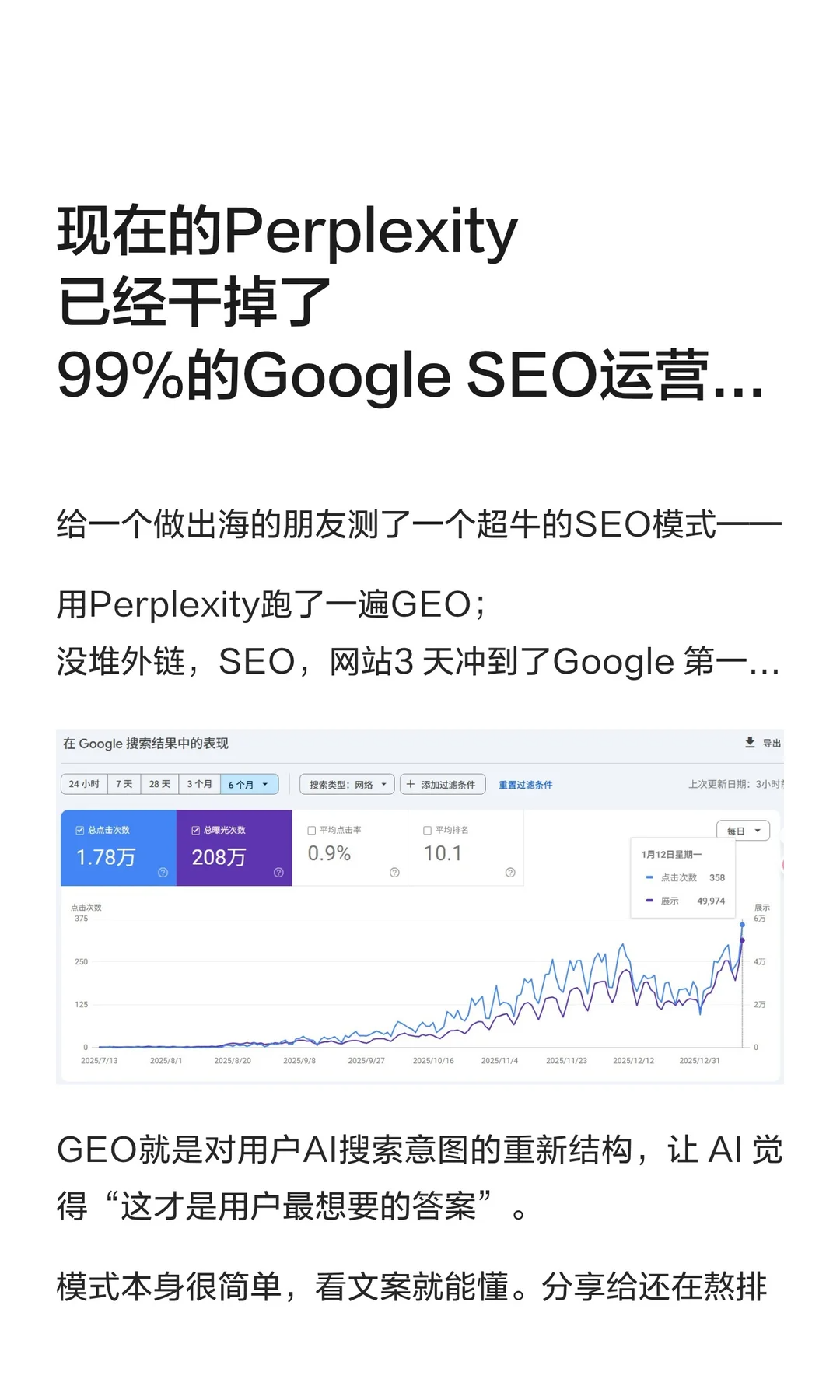
Recording of target issues, pages, markets and changes. Search, display, click and page performance, and then combine comparable cycles with a search through Search Console.
The AAI review feedback on the page, actual answer references and website references are recorded separately. Effective advice is verified by real business needs and sources, and one visit is not used as an inquiry board.
Additional pages based on questions and reception feedback from readers. Priority is given to the resolution of recurring questions and to keeping content close to the actual decision-making process of clients.