
Content methodology Google SEO AAI support writing
Writing SEO blogs with AI focuses on linking search needs, business information, manual clearance and release certification. Nine steps are described below, from the selection of the subject to the traceable delivery of the content.
Let's see what the article's about to solve.
An article corresponds to a clear user mandate: to understand concepts, ICP, quench failures, or to prepare for procurement. First, it is determined who the reader is, what action he wishes to take, and then the form of the content.
Foreign-trade enterprises can start with questions from their clients, sorting out the information they need to know prior to the inquiry and linking it to the relevant product or service page.
Step 1: Research on search results and client needs
Document the type of page where the target market, language, core issues and available search results are located. Compares the coverage of the ranking page and identifies information that clients still need to search repeatedly.
The relevant inquiries are organized as intended and there are suitable pages within the checkpoints. There are already articles that can be answered by adding to the original page, and new independents will be required to arrange new articles.
Step 2: Review of outline and operational information
Let AI first list the structure of the articles and what information is required to complete each section. Operational personnel supplement product parameters, delivery processes, real-life records and common problems.
The main title is devoted to the theme, organized by step, comparison and question answers. The review confirmed section by section whether there were direct answers, whether examples were needed and whether there were no conditions that affected decision-making.
Step 3: Subsection drafting and harmonization of logic
The section-by-section approach followed by a section-by-section response to the main questions, followed by an explanation of the method of operation and the basis for the judgement. Replaces an empty adjective with a specific action.
When the full text is consolidated, the terminology is harmonized, repeat paragraphs are deleted and the paragraph is checked for alignment. Each recommendation should help the reader to make his or her judgement, rather than simply adding space.
Step 4: Content control by List
Check search intent, answer completeness, business accuracy, readability, picture and inner chain. Internal ratings could be set, but the factual issues affecting user judgement should be corrected first.
The audit records include the location of the issue, requests for revision and reviewers. Prices, parameters, authentication and delivery are compared to actual operational information.
Step 5: Cross-review and fact-checking
Different models are used to find omissions, contradictions and ambiguities, which are then reviewed by those familiar with the business. Inclusion of the issues raised by the model in the list to be examined.
The key findings are then validated in the actual information and the time and conditions applicable are recorded. Unrecognised figures, cases and product capabilities are removed or completed before writing.
Step 6: Improving expression and reading experience
Delete adhesives, repeat padding and hard-worded keywords, using clear sentences, specific scenes and necessary examples. Retain the empirical details that operational staff have actually provided.
The AI testing tool can be used as an editorial reference; Content acceptance focuses on the accuracy of the facts, the expression of nature and the ability to solve problems.
Step 7: Preparing pages and publishing information
Sets a separate title, page description, descriptive web site and related inner links for the article. Checks the structural data for consistency with the visible body.
The delivery package consists of the body, photo location, filename, alternative text, page information and audit records. Checks the moving-end layout in the draft preview before you are released to CMS.
Step eight: Configure graphs to explain the problem
Priority is given to the use of authorized product maps, operational stop-ups or home-made flow charts, showing the objects and steps that the reader needs to understand. The information in the figure is consistent with the text.
Sets the appropriate size and format of the picture and fills in a meaningful alternative text for an informative picture. Important conclusions are presented in both words and are easy to read and retrieve.
Step 9: Follow-up queries and consultations after publication
Checks pages for access, links are normal and indexing is correct after release. The date of publication and the date of the material amendment are recorded to facilitate follow-up observation.
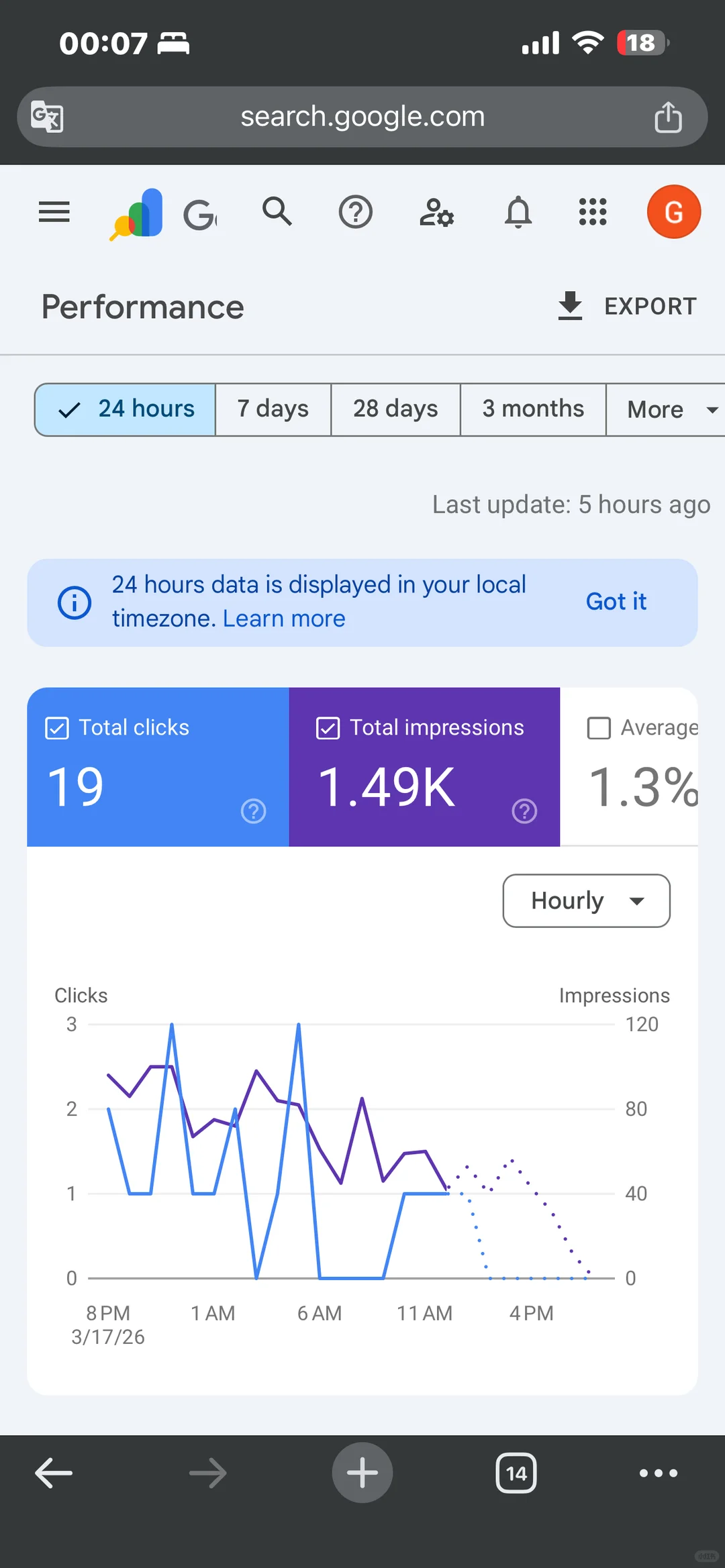
See what queries, presentations and hits the articles get in the Search Console; Checking client concerns and sources of access through advisory records determines additional content, re-linking or combining recurring themes.
How to assess the value of content production processes
The time spent on research, writing, auditing and layout are recorded, as well as the reasons for return to work. Efficiency changes are checked with content quality.
The final observation is whether the articles help potential clients to understand the product, complete the comparison and provide effective advice. The content of the site needs to be planned, with a first combo of the thematic division of work between the core service pages and the articles.